Ontario wood stove insurance is not a standalone policy, it is an addition to a home insurance policy. A surcharge applies; wood stove is considered higher risk; a WETT inspection is required; a questionnaire on stove type, chimney, installation, and precautions is required; the appliance must be certified by ULC, WH, or ACNOR/CSA. Annual inspection may be required.


Ontario gas fireplace insurance is not a standalone policy, it is an addition to a home insurance policy. No additional surcharge applies; gas fireplaces are considered low risk, similar to other gas appliances. There are no specific requirements, notify your broker if you have a new installation.


Tell us about your insurance needs and current coverage.
We shop multiple trusted insurers to find coverage that fits your needs and budget.
Review your options, choose what fits your needs, and get your policy started, often the same day.
Serving all of Ontario, our brokers are available in every region. Find the closest office to you.
Don’t see your city? Call us to find
the nearest broker to you
Our licensed brokers help clients throughout Ontario — virtually, by phone, or in person.
What Is Wood Stove Insurance and Gas Fireplace Insurance?
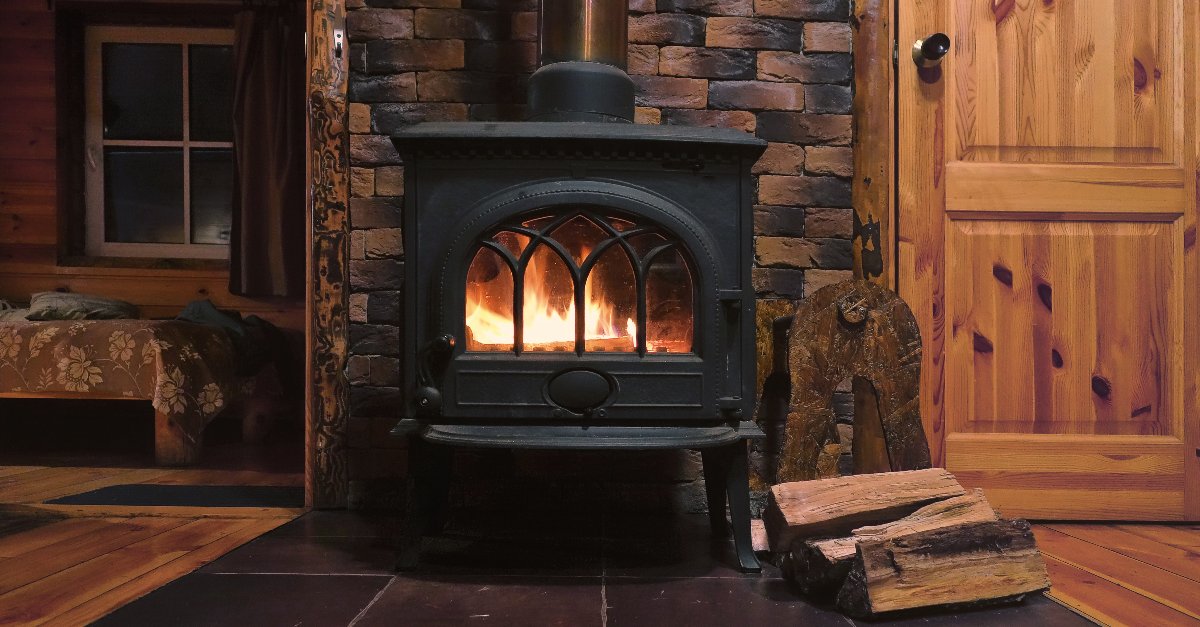
Ontario wood stove insurance and gas fireplace insurance are not standalone policies but rather additions to a home insurance policy that your insurance provider may require to provide homeowners insurance. As we all learned very early on in life, fire can be very dangerous—and lighting a fire inside your home raises the risk of property damage, injury and in severe cases, even death. Because of the increased peril, it makes sense that insurers may be wary of providing coverage for homes that feature a wood stove or fireplace. However, Ontario wood stove insurance and gas fireplace insurance are available with a few potential caveats.
Whether you are purchasing a home that includes a wood stove or gas fireplace, or you'd like to have one installed on your existing residential property, it's important to speak with your Morison Insurance broker and make sure you've ticked all the boxes so you can get the right home insurance policy to ensure you and your family won't suffer undue financial losses.
Are there ways to ensure the safety of my family and property?
If you have a wood stove, wood-burning fireplace or gas fireplace in your home, it's important to take steps to protect your family from injury or death and your property from severe damage. Ontario wood stove insurance is only part of the protection plan. Make sure you have smoke detectors installed near the ceiling and carbon monoxide detectors installed near the floor on every level of your house, especially near sleeping areas, and test them regularly to ensure they are working correctly. This simple fireplace safety measure can make all the difference in preventing injury, death or staggering property loss in the event of a house fire or carbon monoxide leak.
What Are the Requirements for Wood Stove Insurance in Ontario?
For a wood stove or wood-burning fireplace, there are specific requirements that need to be met in order for Ontario wood stove insurance to be approved for your homeowner's insurance. You will be required to fill out a questionnaire form to provide information about the type of heating unit, the chimney, how they were installed and what type of precautionary measures you take that may influence Ontario wood stove insurance, such as regular maintenance and chimney cleaning to remove soot buildup.
It will also be necessary to have a WETT (Wood Energy Technology Transfer) inspection done to get Ontario wood stove insurance. WETT Inc. is a non-profit association that offers training and certification to individuals so they are qualified to carry out a WETT inspection for Ontario wood stove insurance, along with other purposes. The inspection process is designed to evaluate the condition of your wood stove, verifying that it is safe to use and adheres to all current building codes. Insurance providers require a WETT inspection so they know they are not offering Ontario wood stove insurance coverage for a home that is prone to serious risk from a faulty or deteriorated wood stove. In some cases, you may be required to have an annual fireplace inspection done to maintain your Ontario wood stove insurance coverage.
What Are the Requirements for Gas Fireplace Insurance in Ontario?
There are no specific requirements to get gas fireplace insurance as part of your homeowner's insurance. Because they are considered relatively low risk for negative health effects or property damage, they are treated the same as other appliances powered by natural gas. However, if you are purchasing a new house with a gas fireplace or planning to install one in your dwelling, it's a good idea to let your insurance broker know so they can take care of due diligence and ensure everything is in order with your home insurance.
How Does a WETT Inspection Work for Ontario Wood Stove Insurance?
When you're ready for a WETT inspection, you first need to speak with your Morison Insurance broker and find out which level of inspection they are requiring in order to offer you Ontario wood stove insurance coverage. Then, schedule an inspection with a WETT-certified contractor. They will complete the inspection at the level requested and issue a WETT report detailing their findings. The inspector will rate each section of the report as one of the following: Not Applicable, Compliant, Not Compliant or Unable to Inspect (UTI). Depending on the findings outlined in the WETT report, your insurance provider will decide whether to issue Ontario wood stove insurance, deny it or request another level of WETT inspection.
What Are the WETT Inspection Levels for Wood Stove Insurance in Ontario?
There are three WETT inspection levels that your Ontario wood stove insurance provider may request before they offer coverage on your home insurance. Usually only the first or second level is necessary—the third level is not typically required unless there is reason to believe there may be serious problems with a wood stove. The WETT inspection levels are:
Can I Get Wood Stove Insurance for My Primary Heat Source?
When the main source of heat in a residence comes from burning solid fuel such as wood or pellets, there is a higher level of risk than when it is used occasionally as a secondary heat source or for recreational purposes. That doesn't mean you can't get Ontario wood stove insurance coverage if you use your wood stove as your main heat source, but it will increase your home insurance premium and it may be necessary to go with a different policy.
Once our experienced Ontario wood stove insurance brokers have had the opportunity to learn more about your house, how you operate your wood stove and other factors, they will be able to advise you on how your Ontario wood stove insurance will be affected by using solid fuel-burning as your primary source of heat.
Is Wood Stove Insurance Necessary for a Cottage or Vacation Home?
If you are purchasing a vacation home that already has a wood stove or you want to install a wood stove in your existing vacation house, it is necessary to include Ontario wood stove insurance on your cottage insurance or secondary home insurance. Your Morison Insurance broker can help guide you through the process of making sure you have the right coverage for your home away from home.
Do I Have to Tell My Insurer if I Add a Wood Stove or Gas Fireplace?
If you are planning to install a new wood stove in your home, it is important that you contact your Morison Insurance broker and let them know because it could potentially change the conditions for coverage on the Ontario wood stove insurance portion of your homeowner's policy. For example, your insurer may require that the installation be done by a WETT-certified contractor, which would save you some time and trouble anyway because they'll issue a WETT report following installation. It will also likely be necessary to ensure that the appliance you choose to purchase is certified by one of the four following laboratories or associations: the Underwriter’s Laboratories of Canada (ULC), Warnock-Hersey (WH) or Canadian Standards Association (ACNOR or CSA).